Blackstar Debut 15E Review: Tone, Build, and Practice Performance
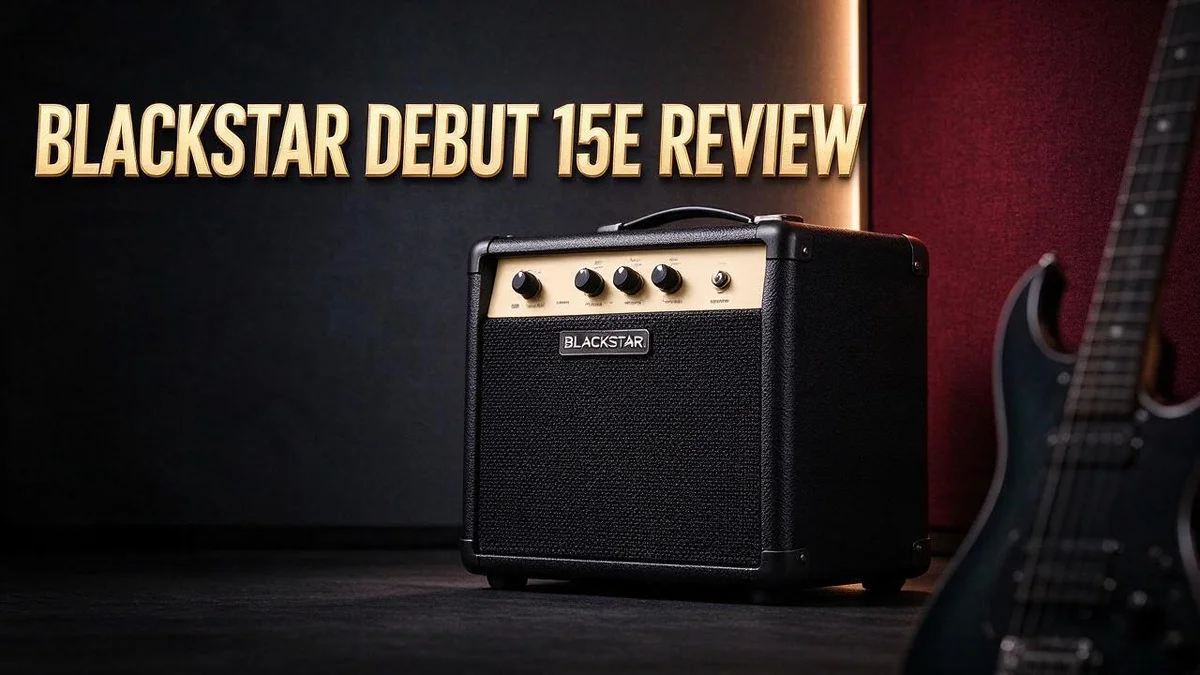
Looking for a practice amp that sounds great at home? The Blackstar Debut 15E could be the right fit. It is a 15W stereo combo amp with two built-in speakers.
Many players see it as a solid choice for beginners and experienced guitarists alike. One reviewer even calls it an excellent practice amp. It also works well for home use, so you can play every day.
Pairing it with a Boss GT1 modeling pedal opens up both clean and dirty tones. That mix gives you plenty of room to explore. Some players find it tricky to dial in the perfect sound, so a little patience helps.
Some users say the build feels basic. Even so, many guitarists still enjoy the sound for home practice.
In this review, we will look at the sound, the build, and who this amp suits best. Let us get started.
In a Nutshell
-
Compact power: The Blackstar Debut 15E delivers 15 watts from one compact combo unit. Its size makes it easy to move from room to room. You can place it on a desk, a shelf, or a bedroom floor.
-
Stereo sound: Two 3 inch speakers work together to create a stereo feel. This setup gives your playing more space than a basic single speaker. You can hear each note with more clarity during practice.
-
Home friendly: Many guitarists use it for quiet evening sessions at home. Its modest volume suits shared spaces and apartments.
-
Reviewer praise: One reviewer calls it an excellent practice amp. That kind of feedback matters for players who want a dependable daily tool.
-
Learning curve: Some players find it hard to dial in good sounds. Patience with the controls pays off over time. Experimenting with settings helps you find your own tone.
-
Best fit: Beginners who want a simple amp for regular practice will likely enjoy it most. Experienced players can use it as a second amp for quick warm ups.
Tone and Sound Quality

- All-analog Clean and Overdrive channels
- Patented ISF tone control
Last update on 2026-11-21 / Affiliate links / Images from Amazon Product Advertising API
Tone is the first thing most players want to hear. The Debut 15E gives you a usable sound without a long setup.
Clean tones sit at the center of its character. Many players find that single notes and strummed chords come through clearly at home volumes.
The amp also responds well to your guitar.
Pickups with a bright or warm voice change the sound in a noticeable way, so you can match the amp to your style.
Gain is where things get more interesting. Pushing the drive adds grit for rock riffs, while backing off keeps the sound smooth for jazz or softer pop parts.
Here is a simple tip for better results. Set the EQ knobs near the middle first, then adjust one control at a time. Small changes often make the biggest difference.
Dialing in the sound takes patience. Some players spend extra time testing settings before they feel happy. Writing down your favorite settings helps you return to them later.
Many guitarists notice that the tone shifts as the volume rises, so test your settings at the level you plan to use most.
Final check: play a few songs you know well. Real music shows how the amp feels in context. Quick tests tell you more than tiny tweaks.
Pairing the amp with pedals can change the character further. A good overdrive can push the front end harder, while a delay adds space.
Try one pedal at a time so you hear each effect clearly.
Good cables and a fresh set of strings also help the tone sound clearer. Your guitar matters too.
Controls and Built-In Features
The Blackstar Debut 15E keeps its controls simple and easy to read. Most knobs sit on the top panel. You can adjust your sound quickly.
Volume sets how loud the amp plays. Turn it up for a bigger sound in a room. Keep it lower when family members rest nearby.
Gain controls how hard the amp pushes your signal. Low settings give a clean sound for soft strums. Higher settings add crunch for classic rock riffs.
The tone section lets you shape bass, middle, and treble. Small changes here can shift the sound a lot.
Cut a little bass if your tone feels boomy. Boost treble if your sound feels dull.
Reverb adds space to your playing. Short licks sound fuller with a light touch of reverb. Use less reverb when you want tight, direct tones.
The front panel holds the guitar input jack. Plug in and start playing without extra setup. Check the back panel for other connections.
Some models include an aux input. You can play backing tracks through it while you practice.
Start with every knob at the middle position. Then change one control at a time. This method shows you exactly how each setting affects your sound. Write down your favorite settings so you can return to them later.
Build Quality and Durability
Build quality shapes how long any amp stays useful, so it deserves a close look. One review describes the Blackstar Debut 15E as very cheaply built, but that excerpt cuts off before the full thought.
Simple construction can still last for years when you treat it well. Most wear comes from rough handling, heat, and moisture rather than regular playing.
Lift it with care. Grab the amp by its body or handle, never by the knobs or jacks. Rough lifting can loosen parts over time.
Transport is the biggest risk. Use a padded gig bag when you move the amp. Remove cables before packing so the input jack does not bend. Avoid leaving it in a hot car.
Keep the amp away from water, dust, and direct sunlight. Moisture can corrode internal circuits. Place it on a firm surface where it will not tip or slide during a session.
Check the controls often. Turn each knob and listen for crackling. Those sounds often point to dirty pots or loose wiring. Clean them with contact cleaner and always unplug first.
Inspect before buying used. If you buy a secondhand unit, plug in your guitar and test every control. Look for cracks in the cabinet, torn speaker cones, and a loose jack. Ask the seller to show the amp working at a moderate volume first.
Good habits protect this amp for years of home practice. Store it indoors, dust it with a dry cloth, and switch it off after each session. These small steps keep the cabinet and electronics in good shape. Your amp will reward that care with steady, reliable sound.
Top 3 Alternatives
Looking for a different amp? These three options each bring something unique to the table. Read on to see which one fits your playing style.
Vox AC15C1

Last update on 2026-11-21 / Affiliate links / Images from Amazon Product Advertising API
The Vox AC15C1 is a classic choice for players who love a bright, chimey sound. It delivers 15 watts of tube power with a classic British tone. Many guitarists pick it for crisp cleans and warm, rich breakup at higher volumes.
Fender Blues Junior

- Classic warm tube tone provided by the EL84 power tubes and 12ax7 pre-amp tubes
- Foot switchable "FAT" option adds thicker tones and subtle overdrive
Last update on 2026-11-21 / Affiliate links / Images from Amazon Product Advertising API
The Fender Blues Junior is a favorite for blues and rock players. It also uses 15 watts of tube power, so it sounds full and punchy. Its built-in reverb adds depth, and it works well for both practice and small gigs.
Marshall DSL1CR

- Marshall Amps Guitar Combo Amplifier (M-MG10G-U)

Last update on 2026-11-21 / Affiliate links / Images from Amazon Product Advertising API
The Marshall DSL1CR is a great pick for home players. This small tube amp runs at low volume, so you can practice without disturbing others. Two channels give you flexible tones, from clean sounds to smooth overdrive. Built-in reverb rounds out the sound nicely.
Pedal Compatibility and Expandability
Pedals give you many new sounds with the Blackstar Debut 15E. Most players start with one or two stompboxes and build from there.
The Boss GT1 is a great example. It is a modeling pedal that pairs well with this amp. Many players use it to get both clean and dirty tones without buying extra gear.
Place your pedals between the guitar and the amp. Connect the guitar to the first pedal. Then run a short cable from the last pedal to the amp input.
Order matters for good results. Put drive pedals first. Modulation effects like chorus come next. Delay and reverb usually sit at the end of the chain.
Power is easy to overlook. Use a reliable power supply for your pedals. Weak adapters can cause hum, and batteries drain fast.
Expandability goes beyond single stompboxes. One unit with many effects can sit in front of the amp. It gives you variety without a crowded board. The amp still shapes the core tone.
Cable quality matters more than many players think. Short, shielded cables keep the signal clear. Test each pedal one at a time so you can find any noise quickly.
Noise is a common issue with long chains. Keep power cables away from your guitar cable. A noise gate pedal can also cut hiss between songs.
Start simple and grow slowly. Add one pedal, play for a week, and listen closely. Then decide if the next pedal fits your style. This approach keeps your setup clean and fun. Your ears will tell you when a pedal works. Trust that feeling. Take notes on each setting.
Practice Volume and Home Use
The Blackstar Debut 15E fits neatly into a home practice space. Its 15 watt output gives enough power for a bedroom, a spare room, or a small studio corner.
Volume matters a lot in shared homes. Many players practice late at night, and neighbors or family may need quiet. This small combo amp can stay pleasant at moderate levels without filling the whole house.
Headphones offer another option. If your unit has a headphone output, plug in a pair when others sleep. You can still hear your playing clearly while the room stays calm.
Placement changes the sound in a room. Walls, corners, and furniture all reflect sound differently. Try a few spots and listen closely before you settle on one.
Recording yourself helps you improve. Use your phone to capture short clips during each session. Playing them back reveals timing issues that you might miss while playing.
Short sessions work better than long marathons. Try twenty minutes of scales followed by ten minutes of favorite songs. Regular habits build skill faster than rare, long sessions.
Consistency beats intensity every time. Pick a regular time each day so practice becomes part of your routine. The amp stays ready in one spot, so you can start quickly without setup delays.
Keep a simple practice log. Write down what you worked on and how long you played. Over weeks, the notes show clear progress and help you plan future goals.
Use a metronome to tighten your timing. Many apps provide one for your phone. Set a slow tempo, then increase it when your playing feels steady.
For beginners and experienced players alike, this amp makes home practice simple. It gives you a dependable place to work on technique, songs, and creative ideas every day.
Value for the Money
The Blackstar Debut 15E offers plenty of learning benefits for home practice. Its design suits beginners who want to build good habits early. Experienced players can also use it to sharpen their technique.
Dialing in great tones takes some patience. One user found it hard to get the sound they wanted at first. Start with the controls near the middle, then adjust one knob at a time and listen closely.
Tone shaping builds real skills. Learning how each control changes your sound teaches you about gain and EQ. That knowledge carries over to any amp you play later.
Simple layouts suit new players well. Fewer menus mean less time hunting for settings. More of your practice time goes to playing guitar.
Clean and dirty sounds cover many styles. Pop, blues, and rock players can all find something useful here. Switching between tones keeps each session fresh and engaging.
Many home players find that it sounds decent for daily practice. The two 3 inch speakers fill a small room nicely. Reviewers often call it an excellent practice amp, which shows how well it fits its role.
Match the amp to your goals. Think about the music you love and how often you plan to practice. A focused choice gives you more progress from every hour you spend with your guitar.
Think about the long run too. An amp you enjoy using gets switched on more often. Regular sessions lead to faster growth, and that makes the choice feel right in every way.
Pros and Cons
Pros
- Sounds decent for daily practice sessions.
- Works well for home use.
- One reviewer calls it an excellent practice amp.
- Stereo speakers fill a small room nicely.
- Simple controls suit new players.
Cons
- Some reviews describe the build as very basic.
- Limited head to head comparisons make choosing harder.
- Some users struggle to find the sound they want.
Who Should Buy It
The Blackstar Debut 15E suits a few types of players well. Anyone who wants to start playing with minimal fuss will feel at home. Plug it in, turn it on, and start strumming.
Complete beginners often benefit most from this amp. Many first timers feel lost among racks of gear. This small combo keeps the focus on learning chords and rhythm instead.
Parents shopping for a young player may also find it useful. A compact combo fits in a child’s bedroom without taking over the space. It also gives a teenager a real amp rather than a toy.
Songwriters who sketch ideas at home can use it as a quick sound tool. Grabbing a guitar and capturing a riff takes only seconds. There is no need to power up a large system first.
Players who already own a Boss GT1 pedal have a strong reason to look here. The pedal and amp form a compact home rig. This pairing suits someone who wants a full setup on one small desk.
Returning players who took a long break may also enjoy it. A small amp brings back the fun of playing without pressure. It helps rebuild old habits one session at a time.
On the other hand, some players should look elsewhere. Anyone who needs a loud stage amp for full bands will find 15 watts limiting. Gigging musicians often want more power and larger speakers.
Think about where you play most often. If your practice space is a bedroom or home studio, this amp fits well. If you need enough volume for drummers, a bigger model makes more sense.
Students who like structured lessons can use it during class breaks. Pair it with a metronome app and a simple songbook. Steady routines help new players grow faster than random noodling.
Final Verdict
Our verdict is simple: the Blackstar Debut 15E is a solid choice for home practice. It sounds decent for daily use and keeps things easy for new players.
Think of it as a starting point. Many players outgrow small amps over time. This one works best when your goals stay close to home practice and basic learning.
Be honest about your needs. Some players want loud gigs, while others want quiet evenings at home. This amp fits the second group much better than the first.
Trust your ears before you commit. The research offers no direct head to head tests. A personal listen gives you the clearest answer. Play a few songs you already know and see how they feel.
Plan for a short settling period. Your first few sessions help you learn how the amp responds. Stick with it for a week before you decide.
Keep your expectations realistic. A 15 watt amp will not fill a large venue. It shines in bedrooms, living rooms, and small practice spaces.
Our recommendation is clear. Choose this amp if you want a friendly, simple tool for home practice. Look elsewhere if you need heavy stage power or advanced features.
Ultimately, the best amp is the one you actually use. The Debut 15E gives you a good reason to pick up your guitar and play.
Frequently Asked Questions
Can I use the Blackstar Debut 15E for a live gig?
It works best in small spaces. This 15 watt amp suits a quiet bar, a rehearsal room, or a living room. It will struggle to fill a large hall.
Does the Blackstar Debut 15E pair well with a Boss GT1?
Yes, many players connect a Boss GT1 pedal to this amp. The combination gives you both clean and dirty tones from one setup. It makes a flexible home practice rig.
How do I get the best sound from it?
Start with simple settings. Change one control at a time and take notes. Patience helps. Some players need a few sessions before they find their favorite tone.
Is this amp useful for songwriters?
Songwriters can use it to test ideas quickly. Plug in, play a rough melody, and capture the idea before it fades. It keeps the focus on the song.
What should I check before I decide?
Try the amp in person if you can. Ask a local shop to let you play it. Then listen for the tone you want. Your ears matter most here.

Dillip is the founder and lead writer at PlayItLoudFinds.com, where he combines his deep passion for music with hands-on experience to deliver honest, in-depth reviews and comparisons of musical instruments, gear, and accessories.