Line 6 POD Express Review: Is This Portable Guitar Amp Modeler Worth It?
Are you looking for a guitar tone machine that fits in your gig bag? The Line 6 POD Express could become your new favorite piece of gear.
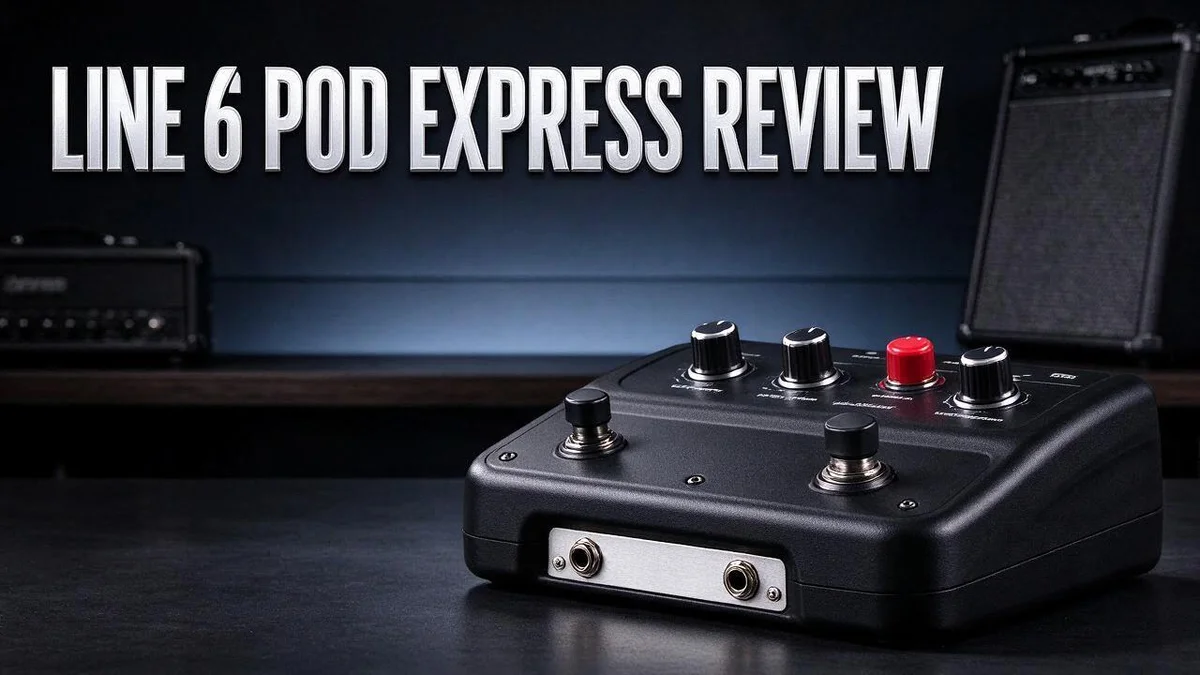
This compact unit packs a lot of sound into a small frame. You get seven amp models, seven cabinet sims, and seventeen effects, plus a looper for building loops on the fly.
The knobs make dialing in a tone quick and simple. Even beginners can shape their sound without reading a long manual.
Whether you play guitar, bass, or heavy metal, there is a version for you. The lineup includes a standard guitar model, a Black edition built for heavy tones, and a bass option.
In this guide, we cover the key features, the pros and cons, and how it compares to rivals like the Valeton GP5 and NUX MG300 MKII. Let’s see if this little box earns a spot on your pedalboard.
In a Nutshell
- Easy to carry anywhere: The POD Express fits into a gig bag, so you can practice at home, in a park, or on a bus.
- Seven amp and cabinet sounds: You get seven amp models and seven cabinet sims. This range covers clean, crunchy, and heavy styles.
- Effects for creative play: Distortion, modulation, reverb, and delay sit on board. The built in looper also helps you record and layer riffs.
- Three versions for different players: Pick the guitar model, the metal focused Black edition, or the bass model based on your main instrument.
- Tones inspired by Line 6 HX: The sound quality draws on Line 6 HX technology, which gives the digital tones a polished feel.
- Mixed user feedback to consider: Reviews offer few direct complaints, but one player found the sound weaker than another Line 6 unit. Testing one in person or watching a demo video helps you judge the tone for yourself.
Amp and Cabinet Models

- Ultra-portable design lets guitarists take it anywhere
- Simple controls make it easy to quickly dial in tones

Last update on 2026-11-23 / Affiliate links / Images from Amazon Product Advertising API
Amp models form the foundation of every tone. Each one imitates the character of a classic amplifier. You can move from a clean, bright sound to a thick, saturated lead with a simple turn.
Cabinet sims handle the final shaping. A cab controls how the amp sounds through a speaker. Without one, even a great amp tone can feel thin and harsh.
Think of the cabinet as the last filter. It softens sharp highs and adds body to the midrange. This matters most when you plug into headphones or a recording interface.
Try pairing different amps with different cabs. A bright amp can sound smoother through a darker cab. Swap the pairs until one combination feels right for your playing.
Players often start with a favorite style. Rock fans may chase crunchy rhythm tones. Blues players may prefer a warm breakup sound. Use the models as a starting point, then adjust the gain and tone controls.
Start with a clean amp model first. Clean tones show every detail in your playing. Once you hear your touch clearly, add gain and effects. This order builds good habits early.
Gain changes the feel of your playing. Low gain keeps your picking dynamics clear. High gain smooths out your notes and adds sustain. Many players find that a little less gain sounds more open. Try both settings with the same model to hear the difference.
Bass players can explore the same process with the bass version. Low frequencies respond well to careful tone shaping. Small changes to the cab can make a big difference in the final sound.
Record a short clip with each combo. Listening back shows which sounds you like most. This quick test saves time when you build your own practice patches.
Practice with a metronome while you test sounds. Steady timing keeps your comparisons fair. Play the same riff through each combo for a clear result.
Keep notes on your favorite settings. Write down the amp, cab, and knob positions. Recall becomes easy when you want that sound again later.
Over time, the amp and cab mix becomes second nature. You learn how each choice affects the final tone. That knowledge helps you dial in great sounds faster in every session.
Effects and Distortion Section
Distortion is often the most exciting part of any pedal board. The POD Express gives you two key tools in its distortion block. They are Boost and Overdrive. Each one suits a different style of play.
Boost pushes your signal louder without changing the color much. Use it to make a solo stand out in the mix. It also adds lift when you need a fuller clean tone.
Overdrive adds warm grit that suits blues and classic rock. Turn the drive up slowly. Listen for the moment the sound starts to break up. That edge is where many players find their voice.
Order matters when you stack effects. Try Boost first for a hotter push. Put Overdrive after it for a thicker, more saturated sound. Swap them around and hear the difference.
Modulation adds movement to your playing. Chorus makes single notes shimmer. Phaser style swirl sounds lovely on clean chords and slow ballads. Use a light touch so your core tone stays clear.
Reverb and delay bring space to your tone. Reverb creates a room or hall feel behind each note. Delay repeats your notes and helps you build ambient layers.
The looper lets you record a phrase and play over it. You can test effect chains while you play along. It also turns solo practice into a small jam session.
Effects also help you learn. Hearing how each block changes your sound trains your ear. You start to notice details like attack, sustain, and tone shape.
Try one effect at a time at first. Set the level, then add the next block. Small changes often teach you more than big changes do.
Save your favorite chains in your notes. Write down which blocks are on and how they sound. With practice, you will build a set of reliable tones you trust on stage or at home. Keep the effects that inspire you and remove the rest.
Sound Quality and Tone
Your playing style shapes the tone more than you might expect. A light pick attack keeps the sound clear and bright. A firm strum brings out more punch and grit. Try both approaches before you judge the sound.
Volume changes the character too. Many players notice that a quiet practice session sounds thin. A louder setting reveals more depth and body. Turn the level up slowly so you can hear each change.
Your guitar volume knob is a hidden tone tool. Rolling it back cleans up gritty sounds without touching the unit. This trick works well for soft jazz chords and gentle blues parts.
Headphones reveal small details. Through headphones, you can hear subtle shifts in the midrange and high end. Room speakers sometimes hide those changes. Use headphones for careful tweaks, then check the result through a speaker.
Your pick and your fingers sound different. A pick gives a sharp edge with a clear attack. Fingers add warmth and a rounder feel. Switch between them often to learn how the unit responds.
Clean cables and a stable power source help too. A quiet signal lets soft notes ring out. Background hum can blur a clean part, so check your setup before each session.
Placement changes the sound in the room. Walls and corners can make bass sound boomy. Place the unit on a table at ear height for a more balanced listen.
Recording direct is another great option. Connect to a computer audio interface and monitor with headphones. Adjust the tone until the take feels right to you.
Small adjustments make a big difference. Move one knob at a time and listen closely. Big changes can hide the small details you want to hear.
Pick a single riff to test your sound. Play it at slow and fast tempos. A good tone should feel consistent across both speeds.
Your ears matter most. Trust what feels inspiring to play, even if a friend hears something different. Sound quality is personal, and the best tone is the one that makes you want to keep playing.
Top 3 Alternatives
Looking for a different option? These three choices offer great tone and simple controls. Read on to see which one suits you best.
Zoom G1X Four

- 71 EFFECTS AND 13 AMP MODELS TO EXPLORE – Explore 71 built-in effects and 13 amp models to craft...
- LAY DOWN LOOPS IN REAL TIME – Create layered riffs with the 30-second looper, ideal for...
Last update on 2026-11-23 / Affiliate links / Images from Amazon Product Advertising API
The Zoom G1X Four packs many amp models and effects into one compact unit.
It also has a tuner included. This makes it a strong choice for home practice.
Its expression pedal lets you control volume and effects with your foot. This makes live playing easier and more fun.
Boss GT-1

- Flagship-Class Sound Engine: BOSS sound engine squeezed into a light and compact floor unit
- Ultra-Portable Design: Delivers pro-level tones everywhere you play with easy-to-use interface
Last update on 2026-11-23 / Affiliate links / Images from Amazon Product Advertising API
The Boss GT-1 is a small multi-effects pedal with a big sound.
It offers many amp and effect sounds in one simple box. It also includes reverb and delay for extra space.
You can shape your tone quickly using the front panel knobs. Players who like a pedal board style setup will feel at home.
Boss Katana Mini

- SOUND OPTIONS: This Amp provides a rich, clear sound with three amp types: Brown, Crunch, and Clean...
- EASY TONE CONTROL: Includes a multi-stage analog gain circuit and a three-band tone control for...
Last update on 2026-11-23 / Affiliate links / Images from Amazon Product Advertising API
The Boss Katana Mini is a portable, battery-friendly amp. It delivers a clean sound and a rich overdrive in a small size.
Its built-in effects let you practice anywhere, at home or on the go. Its small frame fits easily in a backpack.
Great for beginners who want a simple, fun way to learn.
Pick the option that fits your goals. Try each one at a local store if you can. Your ears will tell you which tone you love most.
Size, Portability and Interface
The POD Express fits almost anywhere you play. It sits easily on a small desk. It also works well on a bedroom shelf or a lap.
Size matters most when you travel. A compact unit slides into a gig bag with ease. You can carry it to a friend’s house without a second thought.
Think about your daily setup. A small box leaves room for your notebook, your tuner, and your picks. Your practice space stays clear and tidy.
The interface uses knobs for most jobs. You turn a knob and hear the change right away. This makes the unit easy to read at a glance.
Knobs beat menus for quick changes. Menus slow down a jam session. With knobs, your hands stay on the guitar and your eyes stay on the music.
Some players want a screen for every detail. This unit keeps things simple instead. Fewer buttons mean fewer mistakes during a live moment.
The unit keeps its layout clean and simple. Each knob has a clear job. You learn the controls faster because the layout stays the same each time.
Plan your layout before you plug in. Place the unit where your hand can reach it. Keep the power cable short and neat so it does not tangle.
Small units can slide off slick surfaces. Place it on a rubber mat or a stable board. This keeps the box steady while you tap your foot and play.
Portability also helps with learning. You can move the unit to a different room to try new ideas. A change of room can bring fresh ears and fresh energy.
Think about power too. A nearby outlet makes setup quick. Pack a short extension cable so you never hunt for a plug.
Its small footprint also means you can place it near other gear. Keep it beside a monitor or a small mixer. Your rig stays neat and easy to reach.
Ask yourself a simple question. Will you move this box often? If yes, the compact body is a strong match for your plans.
Pros and Cons
Pros
- The digital amp models sound good for many styles.
- Sound fidelity comes from the HX line.
- Seven amp sims and seven cabinet sims offer solid variety.
- Three variants suit guitar, bass, and heavy metal players.
- The layout feels friendly for beginners.
Cons
- Few sources list clear downsides.
- One user said it sounded poor next to another Line 6 unit.
- Players who build large effect chains may outgrow it.
Who Should Buy It
This unit fits several types of players well. Some guitarists will get more from it than others. Here is a closer look.
Songwriters who sketch ideas on the couch should take a close look. Ideas often arrive at odd hours. This unit gives you a ready tone in seconds. You can jot down a riff before it fades.
Players returning after a long break can ease back in. Muscle memory returns faster with a simple setup. A quick tone check helps the rust fall away.
Music teachers and their students can share one unit. Lessons move faster when the tone is ready. Students hear the difference right away.
Bass players who need a practice companion also have a good option. Finger practice at night stays quiet with a simple plug in. It suits steady daily routines.
Gigging musicians who need a backup can also use it. A spare unit can save a show. It also suits small open mic nights where space runs tight. Setup takes seconds, so you spend more time playing.
Apartment dwellers with shared walls gain something too. Quiet practice keeps the peace at home. The unit tucks away in a closet between sessions.
Hobbyists with limited time can still get real benefits. A short jam fits between chores. Turn it on, dial a tone, and play. Short sessions still build skill over time.
Travelers who play in hotel rooms can pack it easily. A small bag slides into an overhead bin. Practice keeps going even far from home.
Think about how you practice most days. Your real habits matter more than any list. Match the unit to your routine and you will feel the fit.
Who may want something else? Players chasing one vintage tone may need a dedicated amp. Those who love on screen editing may miss a bigger display. Honest matching saves frustration later.
Final Verdict
The Line 6 POD Express earns a strong place on the shortlist. It offers many sounds in a simple package. For most players, that mix is hard to beat.
It also works well as a second tool. Many players keep a full amp at home and use this unit for quick sketches. Think of it as a sandbox for tone, not a full replacement.
Think about your playing style first. Ask how often you plan to jam with a band. A small unit suits practice, writing, and quiet sessions. Louder stage work may call for a bigger setup.
Recording at home brings its own questions. Some players want a direct path into a computer. Others prefer to capture ideas by ear and tidy them later. Both approaches can work with this unit.
Test the sounds before you decide. Play your favorite songs and listen closely. Try clean tones, crunch, and high gain. Notice which presets make you want to keep playing.
Remember that gear matters less than practice. A simple unit that you use daily will teach you more. Consistent time with your instrument builds skill faster than any single feature.
Keep your expectations realistic. No single box will copy every classic amp. Use it as a learning partner and a creative tool. Pair it with good headphones or a monitor speaker for the clearest results.
After one week, review your progress. Write down which sounds you used most. That list will show you what to learn next and guide future choices.
Think about your long term goals too. A small unit can teach core skills like timing, dynamics, and tone shaping. Those skills carry over to any amp you own later.
Our final take is simple. The POD Express suits beginners, bassists, songwriters, and travelers who want fast, flexible tones. If you need one tool that grows with your ideas, it deserves your attention.
Frequently Asked Questions
Does the POD Express have a looper?
Yes, the POD Express includes a looper. You can record a short phrase and play along with it. This helps you practice chord changes or test a new riff without a backing track.
Which model should a beginner pick?
Most players should start with the POD Express Guitar. Heavy metal fans may prefer the POD Express Black, which focuses on high-gain tones. Bass players will want the POD Express Bass.
How does it compare with similar small units?
Rivals like the Valeton GP5, Mooer Micro Amp series, and NUX MG300 MKII also target new players. The POD Express stands out because of its large mix of amp and cabinet sims. Try each one in person if you can.
Can I practice late at night?
Yes, you can. Plug in a pair of headphones to keep the sound private. Your neighbors will not hear your practice sessions. This makes the unit a good choice for early mornings or late evenings.

Dillip is the founder and lead writer at PlayItLoudFinds.com, where he combines his deep passion for music with hands-on experience to deliver honest, in-depth reviews and comparisons of musical instruments, gear, and accessories.