Boss Katana 50 Gen 3 Review: Tones, Effects, Build and Verdict
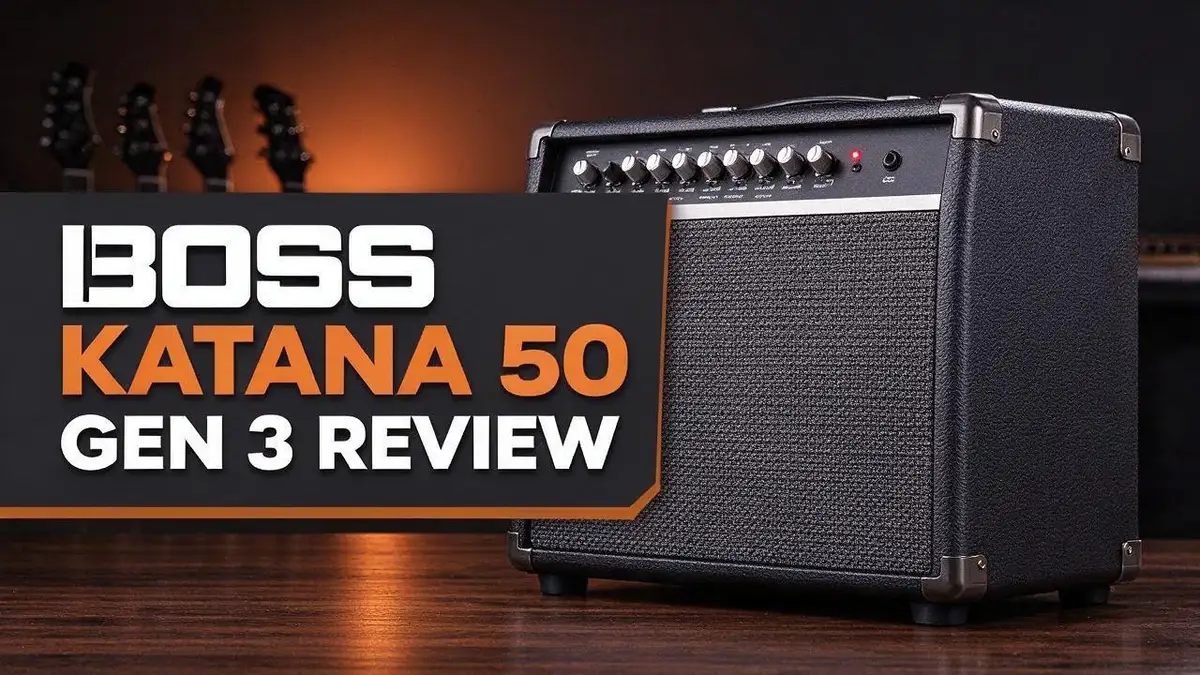
Looking for a guitar amp that sounds great and feels easy to use? The Boss Katana 50 Gen 3 might be the one you need. It packs plenty of features into a light body.
This 50 watt combo amp uses a 1×12 speaker. You get six amp voices and 15 built-in BOSS effects. A new Pushed mode adds extra grit when you want it.
Many players praise the amp tones. The effects sound strong too. Controls feel solid, and reliability holds up after months of regular use.
Is it the right choice for you? Keep reading. We cover the sound, the features, and how it compares to rivals like the Positive Grid Spark 2.
In a Nutshell
- Six amp voices and 15 onboard BOSS effects give you plenty of sound options in one compact box. Players can explore new tones without buying extra pedals.
- The new Pushed mode adds extra drive, so you can shape your sound with ease and add punch to lead parts.
- Five effect categories can run at the same time: Booster, Mod, FX, Delay, and Reverb. This lets you stack effects for a full, layered sound.
- Sturdy controls have held up well over months of regular use. That kind of reliability gives you confidence during long practice sessions at home.
- The light build and thin cabinet covering make it simple to move around. However, they may feel less tough for frequent travel.
- Bluetooth is an optional extra, and one reviewer feels it suits home practice more than live gigs. One comparison also found it more sturdy than the Positive Grid Spark 2.
Amp Voices and Tone Quality

- Next-Level Guitar Amplification: With Katana Gen 3, the acclaimed BOSS stage amplifier series...
- Enhanced Tube Logic Technology: New Tube Logic enhancements enrich the core platform with even...

Last update on 2026-11-22 / Affiliate links / Images from Amazon Product Advertising API
Tone is where the Boss Katana 50 Gen 3 earns much of its praise. Players often describe the sound as rich, clear, and full. The amp responds well to both light touches and heavy picking. That kind of feel matters a lot.
Clean tones sound crisp and bright. Chords ring out clearly, which suits jazz, pop, and funk styles. Guitarists who love shimmering cleans will enjoy this setup.
Crunch sounds add warmth to rhythm parts. Power chords stay tight instead of turning muddy. That balance helps when you play classic rock or blues riffs.
High gain tones feel thick without losing shape. Many metal players find their notes stay defined as the gain climbs. Lead lines can sing over the band without sounding harsh.
Your playing style shapes the sound. Soft picking gives a gentle, smooth tone. Harder strumming adds bite and attack. This dynamic feel makes practice more expressive and fun.
Tone stays focused in a bedroom or small room. You do not need high volume to hear the details. Good tone matters more than raw volume for most players.
Simple knobs help you dial in a sound fast. You can move from clean to crunch in seconds. Beginners often find this quick process very encouraging.
Recordings and live rooms can reveal different sides of any tone. Test the amp in person if you can. Bring your own guitar, since pickups change the result.
Your guitar choice matters too. Single coil pickups sound bright and sharp. Humbuckers sound thicker and warmer. Pairing the right guitar with this amp brings out its best qualities.
Overall, the tone quality gives this amp a strong voice. Players who care about sound will hear the difference right away. Try a few settings and trust your ears.
Onboard Effects and the Pushed Mode
Onboard effects can turn a plain guitar sound into something special. The Boss Katana 50 Gen 3 gives you a full set of options without extra gear. Think of it as a ready made pedalboard for your playing.
Start with your clean tone first. Add effects slowly so each one has a clear purpose. Too many effects at once can blur your sound and hide your playing.
The Booster works well when a solo needs to stand out. A small boost can lift your notes above the rhythm track.
Delay adds space and echo to your playing. Short repeats can thicken a rhythm part, while longer repeats suit slow, emotional lines.
Reverb creates a sense of room around your notes. Light settings keep things natural, while heavier settings suit ambient parts.
Mod effects bring movement to your tone. Use them sparingly so the core sound stays clear.
Pushed mode deserves its own test. Many players turn it on for lead parts and leave it off for chords. This switch between two moods keeps your song dynamic.
Set your clean level first, then engage Pushed mode. This order helps you hear the real jump in volume and drive.
Try a verse and chorus contrast. Keep the verse simple with light effects, then open up the chorus with more drive and space.
Save your favorite sounds so you can recall them fast. Having a few go to tones saves time during practice and jam sessions.
Effects also help you practice in different styles. A blues shuffle may need warm reverb, while a funk rhythm may need a tighter mod setting. Experiment freely with each genre you play.
Give each effect a short trial. Play the same riff with and without it. Your ears will tell you what fits the song best.
A little restraint goes a long way. Onboard effects should support your playing, not hide it. Trust your ears and enjoy the process.
Build Quality and Control Layout
Build quality shapes how an amp feels every time you plug in. A solid feel gives you confidence, whether you play in a bedroom or a rehearsal space.
When you test the Boss Katana 50 Gen 3, start with the top panel. Run your fingers across the knobs and buttons. Notice whether each one moves smoothly and stops in a clear position.
The main controls sit in a logical order. Your eyes can follow the signal path from the gain settings to the master volume. Each effect category also has its own section, so you can find Delay or Reverb without searching.
Spacing matters more than many players expect. Look for enough room between knobs so you can adjust one without bumping the next. This becomes important on a dark stage or when you wear gloves in cold weather.
Labels deserve a close look too. Read the printed text from your normal playing position. Can you tell each setting at a glance? If not, the layout may slow you down during a live set.
Beginners often find knob layouts easy to learn. Each control does one clear job, so you can pick up the basics quickly. Players who switch from a screen based unit may also enjoy the direct feel of physical controls.
Here is a simple test. Set every knob to its midpoint, then turn each one slowly while you play a chord. Listen for smooth changes and watch for any jumpy movement.
Try the amp at a louder volume as well. Controls that feel fine at low levels may respond differently when you push the amp harder. Pay close attention to how the master volume behaves at higher settings.
Your hands will tell you more than a spec sheet. Spend time with the amp in a shop or at a friend’s home. Trust how the controls feel, because you will use them every day.
Top 3 Alternatives
Fender Mustang LT50

- The Fender Mustang LT50 Guitar Amplifier features 50 watts
- This 50-watt combo amplifier offers strong quality with an integrated USB audio interface for...
Last update on 2026-11-22 / Affiliate links / Images from Amazon Product Advertising API
The Fender Mustang LT50 is a strong pick for players who want many sounds in one box. It includes a set of classic Fender amp models and built-in effects. You can shape your tone with simple controls on the front panel. It works well for home practice and small gigs. Beginners also find it easy to explore new sounds without a lot of setup.
Marshall MG50GFX

- BUILT-IN DIGITAL FX: The MG30GFX serves as a canvas for your sonic vision, featuring built-in...
- FOUR CHANNELS: MG30GFX features four channels, including clean, crunch, OD1 and OD2, covering a wide...
Last update on 2026-11-22 / Affiliate links / Images from Amazon Product Advertising API
The Marshall MG50GFX brings the famous British rock tone to your room. It offers a range of built-in effects and classic Marshall-style sounds. The gain and tone controls help you dial in heavy riffs or smooth crunch. Rock and metal players often choose this amp for its punchy character. It also suits guitarists who want a loud, bold sound at home or on stage.
Fender Champion 50XL

- One Fender Champion II 50 guitar amp, 50 watts, 19.8"D x 19.8"W x 11.5"H
- This amp comes with an 12 inch Fender special design guitar speaker for the tried-and-true Fender...
Last update on 2026-11-22 / Affiliate links / Images from Amazon Product Advertising API
The Fender Champion 50XL suits players who want a simple and powerful amp. It offers a variety of amp models and useful effects. The 12-inch speaker gives a full sound that fills a small room. It is a smart option for students and anyone who wants to start playing right away. Its clear layout keeps your focus on the music.
Practice Use Versus Gigging
Practice and gigging ask different things from an amp. Many players want one amp that handles both jobs. This section shows where the Boss Katana 50 Gen 3 fits best.
Home practice is where this amp feels most at ease. Its light frame sits easily on a desk or shelf. You can carry it to a friend’s house without much effort.
Gigging asks for more. A stage needs loud volume, and the 50 watt output can help fill a small venue. Drummers and bass players often fill the room, so you need to hear yourself clearly.
Transport matters more on the road. One reviewer found the cabinet covering thin, so bumps in a van can cause wear. Protective covers and a solid case help keep the amp safe.
Bluetooth may matter for practice. It is an optional extra, so check the model before you buy. Backing tracks played through a phone can make home sessions more fun.
Band practice shows the true fit. Play with drums and other instruments to hear how your guitar sits in the mix. A solo test at home cannot show that.
Stage noise can change your tone. Fans, air conditioning, and other bands can blur your sound. Position the amp at ear height so you hear it clearly over the crowd.
Practice habits build gig confidence. Set up your rig at home the same way you would on stage. This routine helps you find settings fast when the lights come on.
Choose based on your main use. If home practice fills most of your week, this amp suits your routine well. If you play gigs every weekend, test it with your own band before you decide.
Reliability helps in both settings. One owner reported solid performance after six months of regular use. Steady gear gives you more time to play and less time to worry.
Bluetooth and Optional Extras
Bluetooth can change how you practice. Your phone can send backing tracks or songs straight to the amp. You can then play along without a separate speaker.
Some players assume every model comes ready to pair. Ask the seller which version you are buying.
Think about your daily routine. If you learn songs by ear, a Bluetooth link saves time. If you rarely use a phone while playing, you may not need it.
Wireless features can also help with lessons. Many teachers send files or video links. A phone connection lets you follow along without juggling devices.
Extras can also shape your setup. A few accessories help you get more from the amp. Keep the list short so each item has a clear job.
A sturdy instrument cable matters most. Cables get pulled, bent, and stepped on during every session. A good cable keeps your signal steady and cuts down on crackle.
A simple dust cover protects the top panel when the amp sits on a shelf. It keeps the knobs clean between sessions.
A footswitch can change presets without bending down. Check the manual to see which footswitch fits the amp.
Music stands and phone holders make practice sessions easier. Keep your phone within reach so you can pause a track quickly.
Test the connection at the shop. Pair your phone and play a favorite song. Notice whether the sound stays clear at normal volume.
Ask these questions before you commit. Does the model include Bluetooth? Which cables fit your pedalboard? Will you play at home or on stage?
Compare the full package, not just one feature. Some rival amps include wireless options as standard, so read each spec sheet closely. Then choose the setup that fits your playing.
Take your time, and trust your ears.
Pros and Cons
Pros
- Amp tones sound excellent across many playing styles.
- Built in effects feel world-class and add variety fast.
- New players can get a sound in minutes without reading a manual.
- The controls keep working well, with reliability praised after six months.
- One comparison rated it sturdier than the Positive Grid Spark 2.
Cons
- The light build can feel less solid when you turn it up hard.
- Long term durability proof comes from only a few reviewers.
- The sound may need small tweaks to suit every guitar pickup.
Who Should Buy It
The Boss Katana 50 Gen 3 fits some guitarists better than others. Check the groups below to see if you match.
Players who want many sounds in one box should take a close look. Six amp voices and 15 onboard effects cover a wide range of styles. A player who moves from blues to rock to clean pop can find a fitting tone without buying extra gear.
Guitarists who dislike big pedalboards will feel right at home. Five effect categories can run at the same time. Booster, mod, FX, delay, and reverb can work together, so you skip the clutter of loose pedals on the floor.
Beginners who want room to grow will appreciate the range. A new player can start with simple, clean sounds. Later, the same amp offers more options as skills and tastes improve. Few players outgrow it quickly.
Parents buying for a young guitarist can choose one amp that keeps learning fun. Many tones keep motivation high. Fewer gadgets also means fewer distractions during homework time and practice sessions.
Fans of the new Pushed mode should try it first. This mode is new in the Gen 3 design. Test it in a shop or at home to hear whether its character fits your playing style.
Players who expect a heavy, solid presence may prefer another model. Compare the Positive Grid Reactor and Spark 2 side by side before you decide. Each option has its own strengths and limits.
Shoppers who want one amp for every session should start here. Pick it if you want one practical box for practice, lessons, and casual jam nights. Trying a few sounds with your own guitar will confirm the choice.
Bottom line: this amp suits players who enjoy variety and simple control. It works best for guitarists who like to experiment. Your playing style and goals decide if it is the right next amp for you.
Final Verdict
The Boss Katana 50 Gen 3 makes a strong case for home players. It delivers big tone from a compact 1×12 combo. Most guitarists will find it a confident all-round choice.
Think about where this amp will live. A bedroom or study suits its size well. Because the cabinet covering is thin, a stable table or floor is the safest spot.
Session length matters too. Short daily sessions suit this amp well. Regular play builds habits faster than long weekend marathons, and the simple layout helps you start quickly each time.
Gigging is the bigger question. The light build can shift around on a crowded stage. Players who perform often should test the amp at higher volume first, or look at heavier options.
Comparing it with the Positive Grid Reactor is also smart. Each amp serves a slightly different player. Try both in a shop if you can, and play your own songs through each one.
Hear it in person when you can. Play at the volume you use at home and listen closely. Bring your own guitar and cable so the test reflects your real setup.
Before you decide, run through a short checklist. Ask yourself three simple questions. Do you practice at home most days? Will you play live soon? Do you need wireless features right away?
If you answer yes to home practice and no to gigs, this amp fits well. It rewards patient players who want one box for years of learning. Keep it on a flat surface and it will stay in top shape.
Some players may outgrow it. Advanced guitarists who want deep sound design may feel limited over time. That is fine, as long as you expect it from the start.
Your decision should match your goals. If you want a steady, easy amp for years of practice, this model is a smart pick. If you dream of big stages next year, keep looking.
Final thoughts: this amp suits players who care about tone and simple controls. It works best as a home amp with room to grow. Gigging players should weigh the light build carefully before they buy.
Frequently Asked Questions
Does the Boss Katana 50 Gen 3 have Bluetooth?
Bluetooth is an optional extra on this amp. It does not come built in for every buyer. If you want to play along with music from your phone, check the package first.
Can the Boss Katana 50 Gen 3 handle live gigs?
Reviewers mostly see this amp as a home practice tool. One user says it suits home practice, not gigs.
The thin cabinet covering may not hold up well to frequent travel. If you plan regular shows, test the amp at full volume before you commit.
Is 50 watts enough for home practice?
Yes, for most home setups. The 50 watt output paired with a 1×12 speaker fills a bedroom or small studio with clear sound.
You can turn it down for late night sessions and still enjoy the tone. Players with large rooms or bands may want more power.
How does it compare to the Positive Grid Reactor?
Both amps appear among the top competitors for this type of player. Start with the features you use most, such as effects or amp voices.
Then list what matters for your room and practice time. A side by side comparison helps you avoid paying for features you never use.

Dillip is the founder and lead writer at PlayItLoudFinds.com, where he combines his deep passion for music with hands-on experience to deliver honest, in-depth reviews and comparisons of musical instruments, gear, and accessories.