Squier Affinity Precision Bass Review: Tone, Build, Playability, and Upgrade Potential
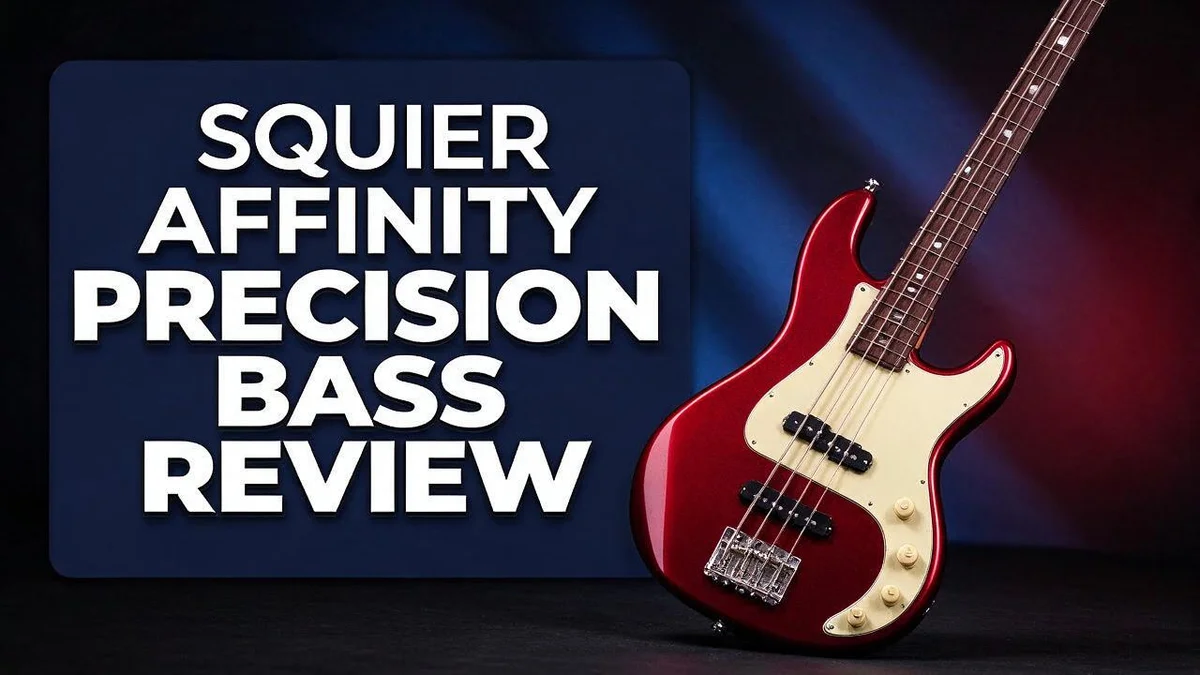
Looking for a bass that feels great and sounds great? The Squier Affinity Precision Bass deserves a close look. It mixes classic Precision Bass style with a useful P/J pickup setup.
Many players start with a bass like this. The maple neck gives a bright, snappy bite. The tone cuts through a mix with ease, so your lines stay clear in a band.
Some players say it plays smoothly right out of the box. Others notice the sound can feel a little muddy and bass heavy. That is why a quick setup can help.
In this review, you will learn about the tone, the feel, and the build. You will also see how it stacks up against rivals like the Fender Jazz Bass. Let’s dig in.
In a Nutshell
-
Classic P and J blend: The Affinity PJ pairs a Precision style body with a P and J pickup setup. You get a thick low end and a bright edge.
-
Maple neck bite: The maple neck adds a snappy, focused attack. Notes stay clear and punchy.
-
Mix friendly tone: This bass cuts through a busy band mix. It holds its own next to drums and guitars.
-
Feels like higher end models: One player said it played better than some other models. The sound came close to a USA made Precision Bass.
-
Low end can get muddy: Some players hear extra mud in the bass range. Tweaking the amp EQ can help clean up the sound.
-
Setup is worth a look: Some owners ask if a professional setup is needed. A fresh setup can improve action and tuning stability.
Sound and Tonal Character

- LIGHTWEIGHT BODY: Affinity Precision Bass PJ features a thin and lightweight poplar body with a...
- COMFORTABLE NECK: It also features a Slim, “C”-shaped maple neck that offers a comfortable...
Last update on 2026-11-23 / Affiliate links / Images from Amazon Product Advertising API
The tone of this bass depends on more than the instrument alone. Your hands, your amp, and your strings all shape the final sound.
Fingerstyle players often get a rounder, warmer voice. Pick players usually hear a brighter and sharper edge.
Playing position matters too. Plucking near the neck gives a thicker, softer tone. Moving closer to the bridge adds more bite and clarity.
Most Precision style basses include a tone knob. Rolling it back can tame harsh highs. Keeping it open gives a fuller, more natural voice.
Amp settings matter just as much. Scooping the mids can create a heavy rumble. Lifting the mids a little helps the bass sit clearly in a band.
Strings can shift the voice as well. Roundwound strings bring brightness and attack. Flatwound strings deliver a smooth, vintage thump that many players love.
Blending the two pickups opens new sounds. The P side offers a deep, punchy foundation. The J side adds sparkle and definition on top.
Genre helps decide the best sound. Rock and punk players often push the mids and drive the amp. Funk and soul players may prefer a softer, rounder tone.
Pedals can also expand the palette. A light overdrive adds grit for rock lines. A compressor evens out the attack for slap and funk.
Recording adds another layer. A direct box captures the raw character of the bass. Mic placement on an amp changes the feel in a mix.
Fresh strings and a clean fretboard help the tone stay lively. Dull strings often sound flat no matter the settings.
Hearing the bass in person helps too. Play it through several amps if you can. Each combination reveals a different side of its character.
Experiment with a range of settings. Listen closely and note what you enjoy. Your ears will guide you to the tone that fits your style.
Build and Neck Feel
Good build starts with how the bass feels in your hands. A bass should sit well against your body. Take a moment to notice the balance.
The Squier Affinity Precision Bass follows a classic Precision style body shape. Many players find this shape easy to hold while standing or sitting.
Neck feel changes how fast you move. The maple neck offers a smooth surface under your fingers. Quick runs can feel effortless when the neck feels right.
Neck profile matters even more. Some necks feel thick and round. Others feel slim and fast. Try a few styles to find your favorite.
Check the fretboard edges closely. Run your thumb along the frets. Smooth edges protect your hand and help bends feel natural.
Fret work plays a big role too. Clean, level frets let notes ring clearly all the way up the neck. Uneven frets can cause buzzing.
Nut width and string spacing affect comfort. Wider spacing often suits fingerstyle players who need room for each finger. Tighter spacing can suit players who use a pick.
Hardware deserves attention as well. Solid tuning machines hold pitch better over time. Make sure the strap buttons sit firmly on the body.
The finish adds to both the look and the grip. A smooth finish on the back of the neck helps your hand glide during long sessions.
Weight also shapes the experience. A lighter body reduces strain on your shoulder and back. Hold the bass for several minutes before you decide.
Full spec details for this model can be hard to find. That makes hands-on testing the best way to judge the build. Play notes at the lower and upper frets. Pay attention to how the neck meets your palm.
Trust your hands. If the bass feels natural after a few minutes, it likely suits you.
Playability and Setup
Playability starts with string height, often called action. Action describes how far the strings sit above the frets. Low action feels fast, while high action feels stiff on long sessions.
Try this quick check. Press the low E string at the first fret, then at the twelfth fret. Notice how much effort each press takes. Clean notes with light pressure show good action.
The truss rod sits inside the neck and controls its slight bow. A small bow lets the strings vibrate freely. Too much bow makes the middle of the fretboard feel stiff.
Too little bow can cause buzzing near the higher frets. Adjust the rod only in small amounts, and only after the strings reach normal tension.
Intonation keeps notes in tune as you move up the neck. Play an open string, then play the same note at the twelfth fret. Both notes should match in pitch. If the fretted note sounds sharp, the saddle may need a small move.
Pickup height affects playing feel too. Pickups set too close to the strings can pull on them and change sustain. Pickups set too far away can make the output feel weak. Set them by eye first, then adjust by ear.
Tuning stability matters as well. Stretch new strings gently after installing them. Tune up, play for a minute, and tune again. Pitch drift often happens during the first few days, so repeat this step until the pitch holds steady.
Beginners do not need special tools for basic changes. A small screwdriver and a hex key cover most adjustments. Work slowly and turn each screw or bolt only a quarter turn at a time. Write down the original position so you can return to it.
A bass that plays well should feel easy under the fingers and stay in tune. Test every change, play a few songs, and listen closely. Many players find that small checks each week keep the instrument feeling fresh and reliable.
Top 3 Alternatives
Ibanez GSR200

- One-piece maple neck
- Rosewood Fret board
Last update on 2026-11-23 / Affiliate links / Images from Amazon Product Advertising API
If you want a fast and comfy ride, the Ibanez GSR200 is a great pick. Its slim neck feels smooth under your hand. Many players love how light it feels on the shoulder. The bass gives a bright, punchy sound that works well for rock and pop. It is a solid choice for new players who want to grow their skills.
Yamaha TRBX174

- Incredible Quality and Value
- Mahogany Body

Last update on 2026-11-23 / Affiliate links / Images from Amazon Product Advertising API
The Yamaha TRBX174 offers a clean and balanced tone. Its neck is easy to play, so your fingers can move quickly across the frets. The build feels sturdy and reliable. You can use it for many music styles, from jazz to gospel. It is a dependable bass that grows with you as your playing improves.
Fender Player Precision Bass
- LIGHTWEIGHT BODY: Affinity Precision Bass PJ features a thin and lightweight poplar body with a...
- COMFORTABLE NECK: It also features a Slim, “C”-shaped maple neck that offers a comfortable...
Last update on 2026-11-23 / Affiliate links / Images from Amazon Product Advertising API
The Fender Player Precision Bass brings the classic P bass sound that many players know well. Its split coil pickup delivers a deep, warm tone with strong midrange. Fans of funk, rock, and studio work often reach for this model. The Player series also adds modern features for everyday playing. It is a great pick for anyone who loves the original Precision feel.
Modding and Upgrade Potential
Many players treat this bass as a strong base for future changes. Small swaps can shape the sound in a big way, so think of it as a project that grows with you.
Electronics are often the first place to look. Replacing the volume and tone pots can change how the bass responds. Upgraded capacitors can also smooth out the top end.
The research notes that the sound can feel a little muddy. Changing the tone capacitor or the pot values may help clear that up. Always test each change with your cable and amp.
Some players choose a different pickup set to tighten the low end. Ceramic and alnico options each bring a different character. Test them if you can before you commit.
Shielding is another useful upgrade. Copper foil or shielding paint in the control cavity cuts down on hum. This small job makes a noisy bass much quieter on stage.
Bridge upgrades can change sustain and attack. A heavier bridge block or a different saddle material can add a touch of brightness. Many modders try brass or steel saddles for a stronger punch.
Better tuners and nuts add a fresh feel. Smoother tuners make each turn feel precise. A bone or graphite nut can also change the attack of open strings.
A new pickguard changes the look without changing the sound. Pick a style that suits your taste. Swapping pickups is a bigger step, so plan the job carefully.
Keep the original parts safe. Store stock pots, saddles, and pickups in a small box. You can return the bass to its original state later.
Start with one change at a time. Listen to how each mod shifts the tone before you add another. This method keeps the process fun and makes the results easy to trust.
Value for the Price
Start with the sound you hear first. The tone cuts through a band mix, so your bass line stays clear next to drums and guitars. That clarity matters when you play with others.
One player said this bass played and sounded close to a USA-made P-Bass. That kind of comparison is rare for an instrument in this class.
The bass can sound a little muddy at times. Your playing style shapes that tone more than you might expect. Playing over the neck gives a warmer, rounder sound. Playing nearer the bridge adds more bite and attack.
Try different picking spots and finger positions. Many players find a clearer sound this way before they change any parts.
The Fender Jazz Bass offers more tonal options. If you want to switch between bright and dark voices often, that model may suit you better. Each switch and pickup setting opens new ideas for songs.
Boutique brands like Moon and Sadowsky focus on premium builds and custom detail. Sire offers another route for players who want a different character from their bass.
This Squier also helps you build real skills. You develop finger strength, timing, and muscle memory on a stable instrument. Good habits form faster when your gear responds well.
On stage, the bass holds its place among other instruments. Your part stays audible without much effort. That helps you feel confident during a live show.
It also suits recording sessions. A clean and punchy bass line helps the mix sound full.
Wait before you add extras. Play the bass for a few months first. You then learn which sound you truly want to change. That plan keeps your choices clear and focused.
Overall, this bass suits players who want a dependable tool and room to grow. It gives a solid foundation for learning, recording, and playing live.
Pros and Cons
Pros
- You get the classic Precision Bass look in a sunburst or black finish.
- The P/J layout gives you two pickup voices in one bass.
- The maple neck adds a snappy attack for fingerstyle and slap playing.
- Many players like it as a dependable everyday bass.
- It feels comfortable in the hands of new players.
Cons
- The low end can feel heavy in some mixes.
- Some buyers wonder if a professional setup is worth it.
- Tonal range is narrower than a Fender Jazz Bass.
- Full spec details are hard to find online.
Who Should Buy It
Teachers and school music programs often need instruments that handle daily use. This bass can fit that role well.
Returning players who set their bass aside for years may enjoy it too. The familiar shape brings back memories of classic rock records.
Rock and pop bassists get a sound that sits comfortably in loud bands. It locks in with guitars and drums without much fuss.
Parents buying for a teen can feel confident about this choice. The bass gives young players room to grow without outgrowing it fast.
Home studio owners can use it for demos and quick song ideas. Plug it in, pick a line, and record within minutes.
Gigging musicians may want a second bass on hand. It works well as a backup if a string snaps during a set.
Jazz players chasing warm, varied tones may feel boxed in. A Fender Jazz Bass or a boutique model might suit them better.
Metal players wanting a tight, scooped sound may need extra gear. The muddy edge can work against heavy, precise riffs.
Busy adults who practice in short sessions can benefit too. The bass stays ready on a stand for quick practice breaks.
Church and worship bands often need a steady, simple bass line. This Squier keeps grooves locked in without pulling focus from the singers.
Anyone seeking a premium finish should look at higher grade options. Fit and finish matter more to some players and collectors.
In short, this bass fits beginners, school students, and working rock players who want a straightforward tool. Pick it when you want to start playing fast and keep playing every day.
Final Verdict
The Squier Affinity Precision Bass is a solid choice for many players. It offers the classic Precision Bass look and a clear, punchy voice that holds its place in a mix.
The P/J layout gives you two pickup voices in one instrument. You can move from a round tone to a sharper edge with ease. That flexibility keeps practice sessions fresh and gives you more options on stage.
The maple neck adds a snappy attack. This bite suits fingerstyle and slap playing well. Players can dig into grooves without much effort, which helps when a song needs energy.
Beginners will likely feel at home right away. The neck feels comfortable in the hands, and the bass is easy to learn on. Many new players stick with daily practice because the instrument feels friendly.
Experienced bassists should keep one thing in mind. The low end can feel heavy in some mixes. Careful EQ work or different picking spots can help you tame that warmth.
Setup is another point to consider. Some buyers wonder if a professional setup is worth it. A quick check at a local shop can show whether the action and intonation suit your playing style.
Players who want more tonal range may look elsewhere. The Fender Jazz Bass offers more voices. Boutique brands like Moon and Sadowsky focus on custom detail and fine craftsmanship, but this Squier serves a different purpose.
Think about where you will play. Teachers, church bands, and home studio owners can all benefit from its steady sound. On recordings, the bass sits well in a mix and helps you test song ideas quickly.
In short, this bass suits players who want a dependable and versatile partner. If you want a classic Precision feel with two pickup voices, it is a strong pick. Try it in person before you decide, and listen closely to how it sits in your own playing.
Frequently Asked Questions
Can I reduce the muddy sound in a mix?
Yes, you can. Try cutting some low mids on your amp and boosting the upper mids a little. Small EQ changes often make a big difference in a band setting. Your playing style also shapes the tone, so a lighter touch can add clarity.
Does it sound close to a USA-made Precision Bass?
One player reported that it sounded comparable to a USA-made Precision Bass. Results vary with your amp, strings, and playing style. The best way to know is to play it through your own setup.
Is it a good base for upgrades?
Yes, many players treat it as a project bass. You can swap pickups, strings, or hardware later. Each change lets you shape the sound in a new direction. It is a practical way to learn what you like.
What should I check before buying one?
Play it in person if you can. Listen through the amp you use most often. Check how the neck feels in your hands, since comfort matters during long practice sessions. Look closely at the finish and hardware for any flaws.

Dillip is the founder and lead writer at PlayItLoudFinds.com, where he combines his deep passion for music with hands-on experience to deliver honest, in-depth reviews and comparisons of musical instruments, gear, and accessories.