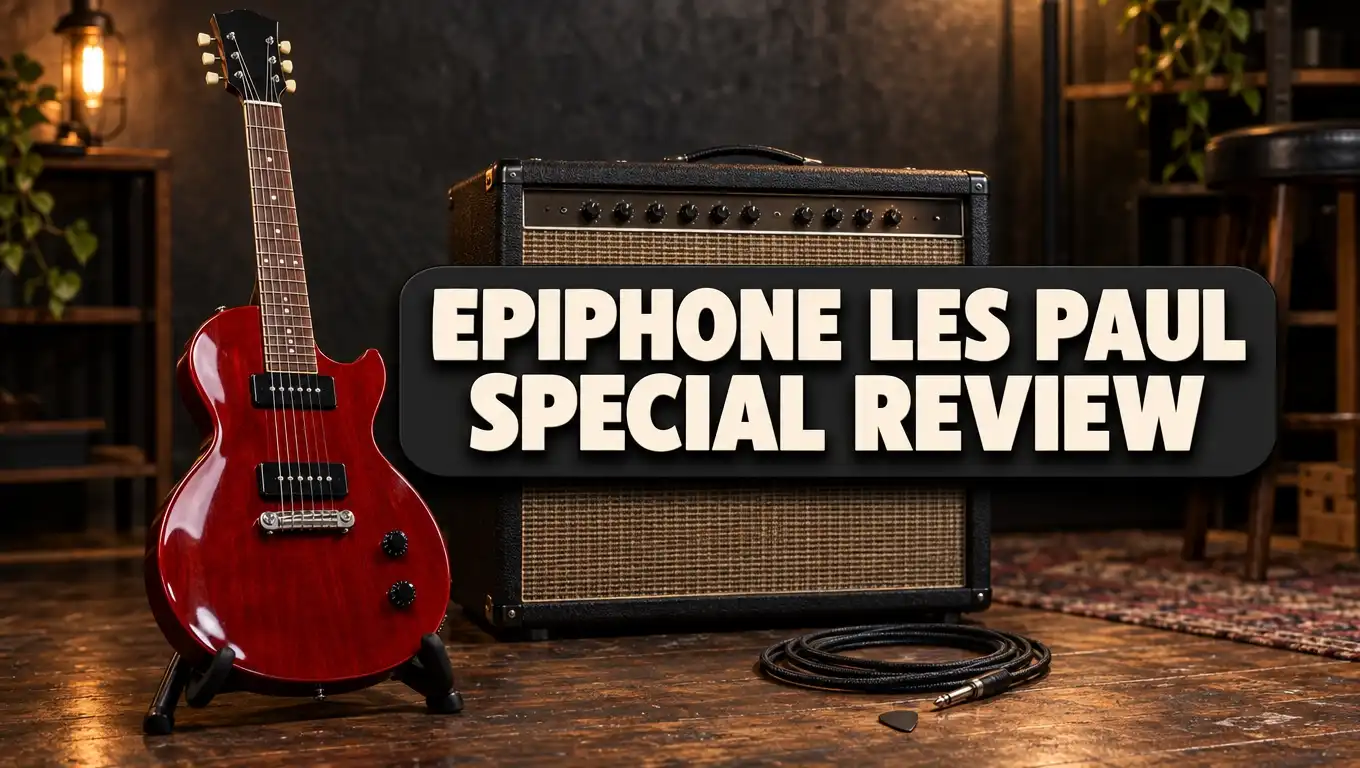
Epiphone Les Paul Special Review: P90 Rocker Worth Your Money?
You want a real Les Paul feel without paying Gibson prices. You also want a guitar with its own voice, one that doesn’t sound like every other humbucker guitar out there. The Epiphone Les Paul Special gives you both.
This guitar takes the classic Les Paul shape and strips it back. It uses two P90 pickups, a solid mahogany body, and a simple look that goes straight to the point. Players love its raw, punchy tone.
In this review, I look at the build, the neck, the sound, the hardware, and the value. I also compare it with other guitars in its price range. By the end, you will know if this guitar belongs in your hands.
In a Nutshell
- Classic body with a twist: The Les Paul Special has a solid mahogany body and a mahogany neck. It skips the maple top of the Standard, so you get a warm, woody tone and a clean, vintage look in finishes like the famous TV Yellow.
- P90 PRO pickups are the star: Two Epiphone P90 PRO soapbar pickups give you clear cleans, bluesy crunch, and gritty rock tones. The neck pickup sounds warm and jazzy. The bridge pickup bites hard and cuts through a band mix.
- Comfortable playing feel: The guitar has a 24.75 inch scale, a 12 inch fretboard radius, 22 medium jumbo frets, and an Indian laurel fretboard. The vintage 50s neck profile feels full in your hand, which many rhythm players love.
- Strong build quality for the price: Reviewers report clean frets, tight controls, and a solid finish. Guitar World called the fit and finish “impeccable” and praised the guitar as superb value.
- Great for blues, rock, and punk: This guitar shines with clean and medium gain sounds. Metal players may want humbuckers instead, since P90s can get noisy under heavy distortion.
- Fair price: The Les Paul Special usually sells for around $500 to $550, which costs a good deal less than an Epiphone Les Paul Standard.
Epiphone Les Paul Special

- Solid Mahogany Les Paul body
- Vintage TV Yellow finish
Last update on 2026-11-23 / Affiliate links / Images from Amazon Product Advertising API
The Epiphone Les Paul Special belongs to Epiphone’s Inspired by Gibson collection. This series brings classic Gibson designs to players at a lower price. The Special follows the look and spirit of the Gibson Les Paul Special from the 1950s.
The original Les Paul Special was a simpler model. Gibson made it for working musicians who wanted Les Paul tone without the fancy carved top. Epiphone keeps that same honest idea alive today.
The modern version has a slab mahogany body, a set mahogany neck, and two P90 pickups. It has two volume knobs, two tone knobs, and a three way pickup switch. The hardware includes a LockTone Tuneomatic bridge and a stopbar tailpiece.
The most famous finish is TV Yellow. This bright, creamy yellow color looks bold on stage. Old Gibson models used this color because it looked good on black and white TV screens.
Here are the key specs at a glance. The body and neck use mahogany. The fretboard uses Indian laurel with 22 frets. The scale length is 24.75 inches. The pickups are Epiphone P90 PRO soapbars in the neck and bridge.
This guitar does not try to copy the Les Paul Standard. It offers a different sound and a more direct feel. Many players see it as a “plug in and play” rock machine.
If you like vintage style and a tone with character, this guitar deserves a close look. It feels like a working musician’s tool, not a showpiece.
Build Quality and Body Design
Build quality is one of the biggest wins for this guitar. Older Epiphones had a mixed reputation. Some had sharp frets, loose knobs, or weak tuners. Modern Epiphones have improved a lot, and the Les Paul Special proves it.
Guitar World tested the 2024 model. The reviewer found no wobbly pots and no scratchy frets. He compared the finish to the finish on Mexican made Fenders. That is high praise for a guitar at this price.
The body uses solid mahogany. It does not have the maple cap you find on the Les Paul Standard. This change gives the guitar a flat, slab shape and a warmer voice. Mahogany adds depth and sustain to every note.
The guitar has a good amount of weight. It feels solid and sturdy in your hands. When you stand and play, the weight sits low in the body. This balance helps the guitar hang well on a strap without diving at the neck.
The finish is thick but clean. The TV Yellow color shows a light wood grain under the paint on many units. It looks much more expensive than it is. Cream binding is not part of this model, which keeps the look simple and vintage.
The headstock follows the newer Epiphone design. It looks closer to the classic Gibson “open book” shape. Many players feel this makes the guitar look more authentic than older Epiphone models.
Overall, the build feels tight and reliable. You get a guitar that can handle rehearsals, gigs, and daily practice without trouble.
Neck and Playability
The neck on the Les Paul Special uses mahogany. Epiphone sets the neck into the body with glue, just like a Gibson. This set neck design helps with sustain and gives the guitar a classic feel.
The neck profile follows a vintage 50s shape. This shape feels fuller than a modern slim neck. Guitar World called it “chunkier than I remembered,” but said it was not quite a baseball bat. Players with medium or large hands often love this kind of neck.
The fretboard uses Indian laurel. It feels smooth under your fingers. It looks a lot like rosewood, with a dark brown color and a fine grain.
The fretboard has a 12 inch radius. This flatter curve makes string bends easier. It also helps you play lead lines without notes choking out. The 22 medium jumbo frets give you a nice grip for bends and vibrato.
The 24.75 inch scale length is shorter than a Fender scale. Shorter scale means slightly less string tension. Bends feel easier, and chords feel relaxed. This is a big reason players love the Les Paul feel.
Upper fret access is decent, but it is still a single cut Les Paul. The heel can get in the way above the 17th fret. Lead players who live on the high frets may want a double cut guitar instead.
If you come from thin Ibanez or ESP necks, you will need some time to adjust. But after a few days, most players find this neck very comfortable. A professional setup can make it play even better.
Top 3 Alternative for Epiphone Les Paul Special
The Les Paul Special is a great guitar, but it is not the only choice. Some players want a different shape, a lighter body, or a lower price. These three guitars give you strong options in a similar range.
Epiphone SG Special P90

- 60s SlimTaper profile neck and rosewood fretboard
- Mahogany neck and body
Last update on 2026-11-23 / Affiliate links / Images from Amazon Product Advertising API
The SG Special P90 uses the same P90 PRO pickups as the Les Paul Special. It has a thin, double cut mahogany body, so it weighs less. The SG also gives you much easier access to the high frets.
It has a 60s SlimTaper neck, which feels thinner than the Les Paul Special’s 50s neck. The wraparound bridge keeps the design simple. This is a great pick if you love P90 tone but want a lighter guitar.
Squier Classic Vibe 50s Telecaster

- One Squier Classic Vibe 50s Telecaster electric guitar
- Vintage Style: The Squier Classic Vibe 50s Telecaster electric guitar features a bridge with barrel...

Last update on 2026-11-23 / Affiliate links / Images from Amazon Product Advertising API
The Squier Classic Vibe 50s Telecaster offers a bright, twangy sound. It uses single coil pickups and a longer 25.5 inch scale. Country, indie, and classic rock players love this guitar.
Its build quality has a great reputation. It costs less than the Les Paul Special and gives you a very different flavor. Pick this one if you want snap and sparkle over warmth.
Yamaha Pacifica 012

- Agathis Body
- Maple Bolt-On Neck
Last update on 2026-11-23 / Affiliate links / Images from Amazon Product Advertising API
The Yamaha Pacifica 012 is a smart choice for beginners on a tight budget. It has a humbucker and two single coils, so you get many tones from one guitar. It costs far less than the Les Paul Special.
It does not have the Les Paul feel or the P90 punch. But it plays well, stays in tune, and makes a great first guitar.
P90 Pickups and Tone
The P90 PRO pickups are the heart of this guitar. They give the Les Paul Special its own voice. If you love the sound of old blues and early rock records, you will feel at home here.
A P90 is a single coil pickup, but it is wider and fatter than a Strat style single coil. It sits between a single coil and a humbucker in sound. You get the clarity of a single coil with extra warmth and punch.
The neck pickup sounds warm and round. Guitar World called it “a joy.” It works well for clean jazz chords, smooth blues leads, and soft rhythm parts. Roll the tone knob down a bit, and you get a vocal, woman tone style sound.
The bridge pickup sounds raw and biting. It has a strong upper midrange that cuts through a band mix. Add an overdrive pedal like a Tube Screamer, and the guitar roars. This is classic rock and punk territory.
Both pickups together give you a bright, chimey sound. Some players say it sounds like a fat Telecaster. This middle position works great for funk, indie, and jangly chords.
The controls react well. Roll back the volume, and a dirty tone cleans up nicely. This makes the guitar very expressive with a tube amp.
There is one thing to know. P90s can hum more than humbuckers, especially under high gain or near computers and lights. For heavy metal, this guitar is not the best fit. For blues, rock, punk, and garage rock, it sounds fantastic.
Hardware and Electronics
The hardware on the Les Paul Special is simple and dependable. Epiphone uses parts that work well and do not need much fuss.
The bridge is a LockTone Tuneomatic with a stopbar tailpiece. This setup is classic Les Paul. It gives you good sustain and easy intonation adjustments. The LockTone design helps keep the bridge parts in place when you change strings.
The tuners have a vintage look with button style keys. They fit the 50s style of the guitar. Guitar World found them reliable and called them a big step up from older Epiphone tuners. Tuning stability is solid for normal playing.
The nut uses a Graph Tech NuBone design on the Inspired by Gibson models. This material helps strings slide smoothly. It reduces string binding and helps the guitar stay in tune after bends.
The electronics include CTS potentiometers. CTS pots are the same type many high end guitars use. They give a smooth, even sweep when you turn the knobs. You get two volume controls, two tone controls, and a three way toggle switch.
This classic layout gives you a lot of control. You can set the neck pickup a bit lower than the bridge. Then you can flip the switch for a quick change between rhythm and lead volume.
The output jack sits on the top of the body, close to the controls. This is traditional for a Les Paul. Overall, the hardware feels gig ready right out of the box. Many players never feel the need to upgrade.
Comfort, Weight, and Daily Use
Comfort matters a lot. A guitar can sound great, but if it hurts your shoulder, you won’t play it much. So how does the Les Paul Special feel day to day?
The body uses solid mahogany, so it has some real weight. It is not as heavy as some old Les Paul Customs. But it is heavier than an SG or a Stratocaster. Players with back or shoulder issues should use a wide, padded strap.
The flat slab body feels simple and friendly. It has no carved top, so your picking arm rests on a flat edge. Some players find this more comfortable than the arched top of a Standard.
Sitting down, the guitar feels natural. The short scale and full neck make chords easy to hold. Long practice sessions feel relaxed. The weight sits low, so the guitar stays put on your leg.
For home use, the guitar plays well at low volume. The neck pickup through a small amp sounds sweet and full. For gigs, the bridge pickup cuts through drums and bass with ease.
Like most guitars, it plays best after a good setup. You may want to check the action and intonation when you first get it. A local tech can do this for a small fee.
The guitar also holds tuning well during normal use. If you play hard and bend a lot, fresh strings and a good setup make a big difference. Treat it well, and it will serve you for years.
Les Paul Special vs Les Paul Standard
Many buyers compare the Special with the Epiphone Les Paul Standard. Both are great guitars, but they serve different players.
The Les Paul Standard has a mahogany body with a carved maple top. It uses humbucker pickups. It usually costs a couple of hundred dollars more than the Special. The Standard offers a thicker, darker, and quieter tone.
The Les Paul Special has a flat mahogany body with no maple top. It uses P90 pickups. It sounds brighter, rawer, and more open. It also has a simpler, more vintage look.
Humbuckers handle high gain better. They cancel hum and give a smooth, heavy sound. So if you play hard rock or metal, the Standard makes more sense.
P90s shine in clean and medium gain sounds. They give more clarity and bite. If you play blues, classic rock, punk, or indie, the Special may suit you better.
The look is different too. The Standard has a flame or plain maple top and binding. The Special looks plain and bold, with solid colors like TV Yellow. Some players love the fancy look. Others love the simple, working class style.
Guitar World put it well. Neither model will leave anyone feeling shortchanged. You pick the one that matches your sound. If budget matters, the Special gives you more value per dollar.
Les Paul Special vs Special II and Special Satin E1
Epiphone also sells cheaper models with the word “Special” in the name. This confuses many buyers. Let’s clear it up.
The Les Paul Special II and the newer Les Paul Special Satin E1 are entry level guitars. They usually cost much less than the Inspired by Gibson Les Paul Special. They are great for complete beginners.
These cheaper models use a bolt on neck instead of a set neck. They use open coil humbuckers, the 700T and 650R, not P90s. They also use simpler hardware and a lower cost body build.
The Inspired by Gibson Les Paul Special is a step up. It has a set mahogany neck, solid mahogany body, P90 PRO pickups, and CTS pots. It feels and sounds closer to a real Gibson.
So which one should you buy? If you are brand new and not sure you will stick with guitar, the Special II or Satin E1 gives you a cheap start. Many players learn their first songs on these.
If you already play, or you want a guitar to keep for years, go for the Inspired by Gibson Les Paul Special. The jump in quality is easy to feel. The set neck, better electronics, and P90 tone make a real difference.
Always check the product name before you buy. Look for “Inspired by Gibson” and “P90” in the listing. This way, you get the exact guitar this review covers.
Who Should Buy the Epiphone Les Paul Special
This guitar fits many players, but not everyone. Here is a simple guide to help you decide.
Intermediate players are the best match. If you started on a cheap guitar and want an upgrade, this is a great next step. Guitar World said this guitar is very appealing for players moving up from entry level gear.
Blues and classic rock fans will love it. The P90 tone sounds right at home on songs from the 60s and 70s. Think raw riffs, bluesy leads, and crunchy chords.
Punk and garage rock players will also enjoy it. The bridge pickup with a little overdrive gives you a loud, aggressive bark. Many punk legends played P90 guitars for this exact reason.
Beginners can play it too. The short scale and smooth fretboard make learning easier. The only downside is the price, which is higher than true starter guitars.
Gigging musicians on a budget get a reliable stage guitar. It looks great under lights and holds up well on the road.
Who should skip it? Metal players should look elsewhere. P90s can hum under high gain, and the tone is not tight enough for heavy chugging. Players who want a very thin, fast neck may also prefer something else.
Players who need a light guitar should think twice too. A lighter SG may suit them better. For most rock and blues fans, though, this guitar is a strong pick.
Pros and Cons
Every guitar has strengths and weak spots. Here is an honest list to help you decide.
Pros
- Excellent build quality. Reviewers report clean frets, tight controls, and a high quality finish for the price.
- Great P90 tone. The pickups deliver warm cleans, gritty crunch, and a sound full of character.
- Classic vintage look. The TV Yellow finish and slab body look bold and authentic.
- Set mahogany neck. This gives you better sustain and a real Les Paul feel.
- Quality electronics. CTS pots give smooth and responsive volume and tone control.
- Comfortable short scale. The 24.75 inch scale makes bends and chords feel easy.
- Strong value. You get many features from more expensive guitars at a fair price.
Cons
- Not ideal for metal. P90s can hum and lack the tight focus heavy music needs.
- Fairly heavy body. The solid mahogany build can tire your shoulder on long gigs.
- Chunky neck. Players who like thin, fast necks may need time to adjust.
- Limited color choices. Guitar World wished for more finish options.
- Upper fret access. The single cut body makes the highest frets harder to reach.
Overall, the pros clearly outweigh the cons for blues and rock players. Most of the cons only matter if you play very heavy music or need a light guitar.
Value for Money and Final Verdict
So, is the Epiphone Les Paul Special worth your money? For most players, the answer is yes.
The guitar usually sells for around $500 to $550. At this price, you get a set mahogany neck, a solid mahogany body, quality P90 pickups, CTS pots, and solid hardware. Many guitars in this range do not offer all of these features.
Guitar World gave it strong praise. The reviewer called it “a dream to play” and said it looks “a million dollars in TV Yellow.” He even said he felt foolish for overlooking it for so long. That kind of review says a lot.
Modern Epiphones are much better than they used to be. The Les Paul Special shows how far the brand has come. It feels like a real instrument, not a cheap copy.
The biggest reason to buy it is the tone. P90s give you a sound that sits between a Strat and a humbucker Les Paul. That makes the guitar very flexible for blues, rock, punk, and indie music.
If you play metal, look at a Les Paul Standard or a guitar with high output humbuckers. If you want a lighter body, try the SG Special P90.
But if you want vintage style, warm punch, and great playability, the Epiphone Les Paul Special is one of the best deals in its class. Plug it in, turn it up, and enjoy the ride.
Frequently Asked Questions
Here are answers to the questions buyers ask most often about this guitar.
Is the Epiphone Les Paul Special good for beginners?
Yes, it is. The short scale and smooth neck make it easy to learn on. It costs more than starter guitars, but it lasts long and you won’t outgrow it quickly.
What pickups does the Epiphone Les Paul Special use?
It uses two Epiphone P90 PRO soapbar pickups. One sits in the neck position and one sits in the bridge position. They give a warm, punchy, and clear tone.
Can I play metal on the Les Paul Special?
You can, but it is not the best choice. P90s can hum under heavy gain. A humbucker guitar works better for metal.
What is the difference between the Les Paul Special and the Special II?
The Inspired by Gibson Special has a set neck and P90 pickups. The Special II has a bolt on neck and humbuckers. The Special is a higher quality guitar.
Is the Epiphone Les Paul Special heavy?
It has a solid mahogany body, so it feels fairly heavy. It is lighter than some Les Paul Customs but heavier than an SG. A padded strap helps a lot.
What neck profile does it have?
It has a vintage 50s neck profile. This shape feels full and rounded. Players with medium or large hands usually find it very comfortable.
Does the Les Paul Special stay in tune well?
Yes, it holds tuning well. The vintage style tuners and the low friction nut help a lot. A good setup and fresh strings keep it stable.
Is the Epiphone Les Paul Special worth the price?
For blues, rock, and punk players, it offers great value. You get a real Les Paul feel and a unique P90 tone at a fair price.

Dillip is the founder and lead writer at PlayItLoudFinds.com, where he combines his deep passion for music with hands-on experience to deliver honest, in-depth reviews and comparisons of musical instruments, gear, and accessories.